
Self-Driving Car Legal Issues Australia: Everything You Need to Know in 2026
Self-driving car legal issues Australia is now one of the most critical topics in transport law and public policy. Autonomous vehicles are being tested across the country, yet fully self-driving cars remain illegal for general public use in 2026.
This is not because the technology is not ready, but because the legal system, safety standards, insurance models, and infrastructure are not yet prepared for a world where machines can drive themselves. Australia has chosen a cautious, evidence-based approach, ensuring that innovation does not outpace regulation or compromise public safety.
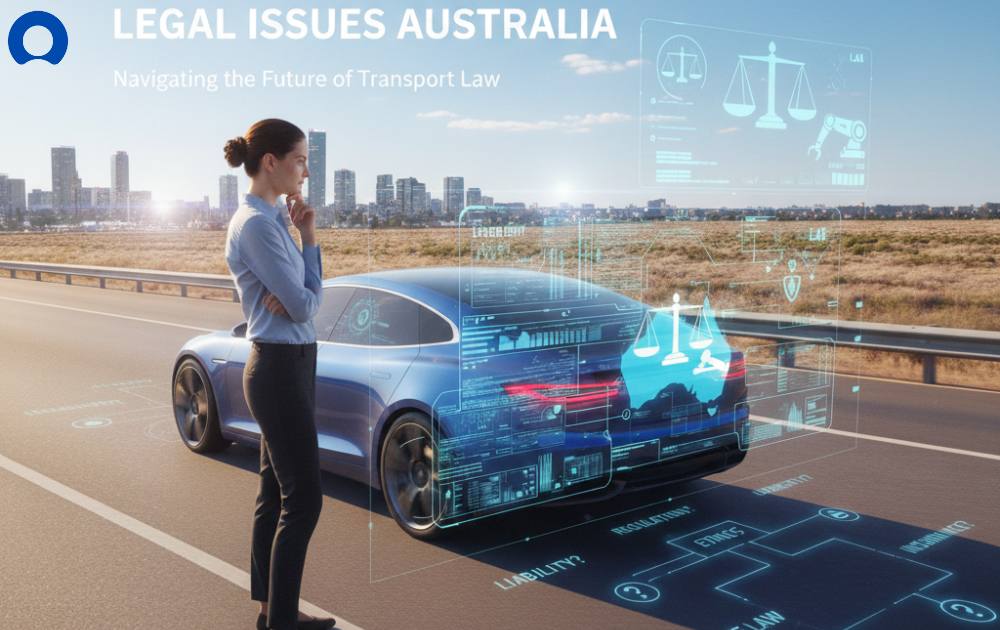
Table of Contents
Outdated Road Rules and Legal Barriers
One of the primary self-driving car legal issues Australia faces is outdated road laws. The current road rules assume a human driver is always in control. They were drafted at a time when the concept of a vehicle operating without human input was unimaginable.
The legal system still requires a person to be responsible for driving decisions, and the law has not yet been modernised to recognise an automated driving system as a legitimate “driver.” This creates a legal contradiction when an autonomous system is in charge. Without reform, self-driving vehicles cannot be legally approved for public roads, because there is no legal framework to define responsibility or enforcement.
This issue is not only theoretical. It affects real-world trials, approvals, and the ability of manufacturers to deploy autonomous vehicles. Companies must seek exemptions and operate under strict trial conditions, which limits innovation and slows down progress. This is why Australia’s approach remains controlled and cautious, prioritising public safety over rapid deployment.
Safety Risks Remain the Biggest Concern
Safety is the most significant self-driving car legal issues Australia must resolve before full adoption can occur. Autonomous vehicles perform well in controlled environments, but Australia’s road conditions are diverse and often unpredictable.
The technology struggles with complex urban situations where pedestrians and cyclists behave unexpectedly, and it struggles even more in rural areas with poor lane markings and inconsistent signage. Extreme weather conditions such as heavy rain or bushfire smoke can further reduce sensor accuracy, increasing the risk of accidents.
This is why regulators demand rigorous evidence and strict safety standards. Australia’s approach is to ensure that the technology is proven in real-world conditions before it becomes legally acceptable. The safety requirements are not just about the vehicle’s performance, but about how the system responds to unpredictable events and how it protects passengers and other road users. Until these safety risks are fully addressed, self-driving vehicles cannot be allowed to operate freely on public roads.
Liability Problems Are Still Unresolved
Liability is another major self-driving car legal issues Australia must solve. When a human driver causes an accident, liability is straightforward: the driver is responsible. But when an autonomous vehicle crashes, there is no clear answer. Should the vehicle owner be liable even though they were not actively driving? Should the manufacturer be responsible for a technical failure? Or should the software developer be held accountable for a system error?
Current Australian law does not provide a clear framework for these scenarios. This legal uncertainty creates a major barrier to deployment because insurers, courts, and regulators cannot reliably determine fault. The absence of clear liability rules also discourages investment and slows innovation. Until a definitive liability framework is established, autonomous vehicles will remain legally restricted.
Insurance Systems Are Not Ready for Autonomy
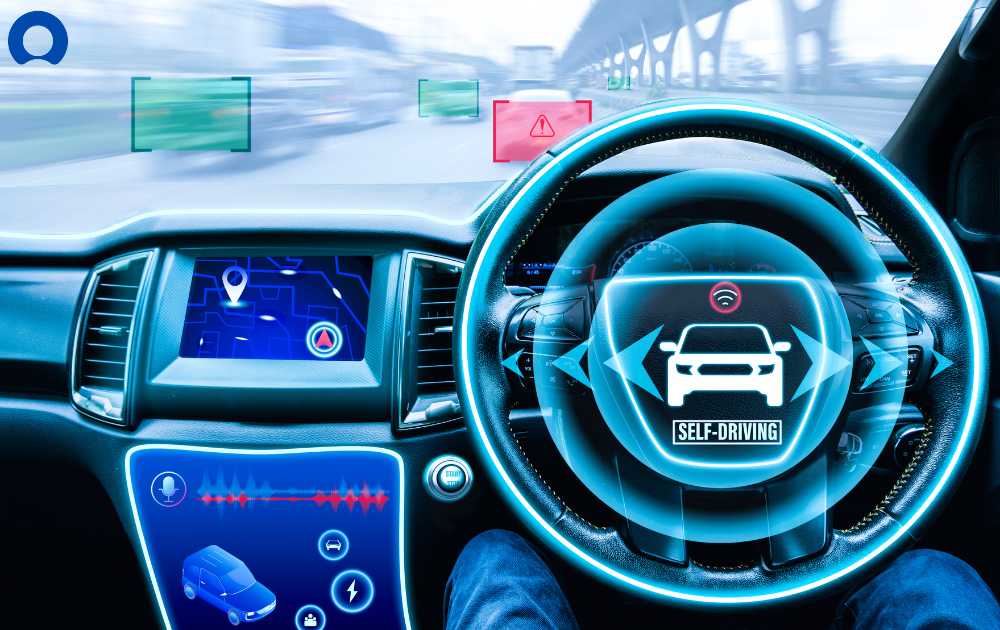
Insurance is a major self-driving car legal issues Australia must address. The current insurance system is designed around human error, which is the primary cause of accidents. With autonomous vehicles, error becomes more complex and distributed across manufacturers, software developers, and system integrators. Insurers must develop new models that can allocate responsibility fairly to these parties. Without these models, adoption remains financially risky for consumers and businesses.
This is why insurance reform is essential. It is not enough to simply allow autonomous vehicles on roads. The financial system must also support them. Until insurance companies can confidently assess risk and allocate liability, self-driving vehicles will remain limited to trials and controlled environments.
Privacy and Cybersecurity Risks
Privacy and cybersecurity are central to self-driving car legal issues Australia. Autonomous vehicles collect vast amounts of data, including travel routes, passenger information, and real-time sensor recordings.
This raises urgent questions about data ownership, access, and lawful use. Australia’s current privacy laws were not designed to handle this scale of data or the potential for misuse. The risk of hacking is also a major concern, because a compromised autonomous system could cause severe harm.
This is why regulators are demanding stronger privacy protections and cybersecurity standards. Without clear rules, the risk of data misuse and cyberattacks remains high. The legal system must adapt to protect citizens, and this adaptation is essential for public trust. Until privacy and cybersecurity are addressed, self-driving vehicles cannot be legally accepted for public use.
Infrastructure Limitations Prevent Nationwide Deployment
Australia’s road network presents unique challenges for autonomous vehicles. The country’s vast geography includes remote areas with inconsistent signage, poor lane markings, and limited connectivity. These conditions make it difficult for autonomous systems to operate safely outside major cities. Infrastructure limitations remain one of the most critical self-driving car legal issues Australia must address before nationwide deployment can occur.
Urban trials have provided valuable insights, but the reality is that Australia’s roads vary significantly. Autonomous vehicles require reliable infrastructure to function safely. Until national infrastructure is upgraded to support machine perception and communication requirements, high-level autonomy will remain confined to limited zones or controlled routes.
The Role of the NTC Guidelines and Regulatory Reform
Australia’s approach to autonomous vehicles is guided by the National Transport Commission (NTC). The NTC’s guidelines ensure that trials are conducted under strict safety conditions and that results are shared with regulators.
The upcoming Automated Vehicle Safety Law (AVSL) is expected to create a national framework that clarifies liability and sets safety standards for autonomous vehicle systems. Under this framework, responsibility will shift from individual drivers to recognised entities responsible for design and maintenance.
This is a crucial step for resolving self-driving car legal issues Australia. It will provide legal clarity and encourage investment. It will also create consistent rules across states and territories, allowing for broader adoption. The AVSL will define the responsibilities of manufacturers, system developers, and operators, which is essential for legal certainty and public confidence.
What the Future Holds for Self-Driving Car Legal Issues Australia
The future of self-driving car legal issues Australia depends on legislative reform and infrastructure upgrades. Conditional deployment of autonomous vehicles is expected to begin around 2027, provided state and territory laws align with federal reforms. Full Level 5 autonomy is likely to remain a long-term goal and may not be legal for general use until the early 2030s. Australia’s cautious approach may be slower than other countries, but it reflects a commitment to public safety and legal certainty.
Australia’s strategy prioritises evidence, safety, and accountability. It aims to prevent a scenario where innovation outpaces regulation, which could lead to dangerous consequences. This careful approach is necessary because autonomous vehicles represent a fundamental change in how transport operates. Until legal and regulatory frameworks are fully prepared, autonomous vehicles will remain limited to trials and controlled environments.
Quick Snapshot of 2026 Status
| Issue | Status in Australia (2026) |
|---|---|
| Fully Autonomous Cars | Illegal for general public use |
| Semi-Autonomous Systems | Legal with human oversight required |
| Trials & Testing | Permitted under regulatory approval |
| Liability Framework | Still being defined under AVSL reforms |
| Insurance Models | Not adapted for high-level autonomy |
| Data Protection & Cybersecurity | Legal framework under development |
| National Reform | AVSL and legislative alignment ongoing |
FAQs
Are self-driving cars legal in Australia in 2026?
No. Fully autonomous vehicles are not legal for public use. They are limited to trials and controlled environments.
Why aren’t they legal yet?
Self-driving car legal issues Australia still faces include outdated laws, unclear liability, insufficient insurance frameworks, and infrastructure limitations.
Who pays if an autonomous vehicle crashes?
Liability is currently unclear. The AVSL reforms are expected to assign responsibility to manufacturers and system providers.
When will they become legal?
Conditional deployment may begin around 2027, with broader adoption in the late 2020s. Full autonomy is expected in the early 2030s.
Are autonomous vehicles safe?
Autonomous technology has potential to improve road safety, but risks remain in complex environments and changing conditions.
Related Guides on AssistInfoAU (Internal Links)
For more information on Australian legal rights and government support, visit these relevant pages:
Explore Centrelink and government support at AssistInfoAU. Learn about the latest Centrelink updates and eligibility information at https://assistinfoau.com/centrelink/.
Understand government payments and welfare support at https://assistinfoau.com/government-payments/.
Discover essential information about the cost of living and financial assistance at https://assistinfoau.com/cost-of-living/.
Learn about Australian public policy and legal rights through our informative guides at https://assistinfoau.com/.